
View All Services
Personal Counseling
Parent Coordination
Neutral Mental Health Professional
Life Coaching
Optimal Assessments
Integrative Medicine & Psychiatry
Intensive Couples Counseling
Florida State Approved Parenting Course
Board Certified Behavior Analyst
Other Resources
Educational Consulting & Tutoring
Optimal Assessments
The Optimal Assessments team is fully trained and qualified to administer all of the top assessment regimens available. Our comprehensive training and expertise enable us to select and administer the correct assessment model for each individual based on our in-depth review of that person’s specific needs.
Accurate diagnostic assessment is an important diagnostic tool that:
Whether it is an educational, emotional, or career impediment, it is important to utilize the correct assessment format to accurately diagnose the specific problem.
With the proven assessment data our team is able to provide, Optimal Assessments can recommend the exact configuration of treatment or therapy that will lead to complete recovery. The same data may be required to enable a physician to prescribe a regimen of remedial medication.
Please call 727.345.2667 to schedule an exploratory appointment to discuss how we can guide you, or a loved one, to a tranquil, full, rich and rewarding life.
Accurate diagnostic assessment is an important diagnostic tool that:
- Identifies potential educational blocks and possible learning deficiencies
- Provides guidance on how to determine the best course of rehabilitation to achieve emotional stability
- Detects barriers or obstructions that may hamper career advancement or change
Whether it is an educational, emotional, or career impediment, it is important to utilize the correct assessment format to accurately diagnose the specific problem.
With the proven assessment data our team is able to provide, Optimal Assessments can recommend the exact configuration of treatment or therapy that will lead to complete recovery. The same data may be required to enable a physician to prescribe a regimen of remedial medication.
Please call 727.345.2667 to schedule an exploratory appointment to discuss how we can guide you, or a loved one, to a tranquil, full, rich and rewarding life.
EDUCATIONAL ASSESSMENTS
Educational assessments clarify an individual's ability to absorb and process information. When a child struggles in school, the cause is often an unidentified mental, emotional, or physical distraction rather than a lack of ability. Testing can quantify knowledge retention, skill adaptability, and self-belief — helping students, parents, and educators identify the right path and avoid ineffective remedies.
A comprehensive assessment can reveal:
Professional evaluation is also a practical necessity — physicians typically require one before prescribing medication, and most schools with academic support programs require a documented assessment dated within the last 3 years when applying for accommodations.
Once complete, the assessment guides tailored recommendations for therapy, medication, and targeted instruction, which can then be monitored for effectiveness.
A comprehensive assessment can reveal:
- A student's overall ability and aptitude for learning
- Their capacity to assimilate and process knowledge
- Emotional issues or external pressures disrupting learning
- Specific barriers such as vision, hearing, processing deficiencies, or attention deficits
Professional evaluation is also a practical necessity — physicians typically require one before prescribing medication, and most schools with academic support programs require a documented assessment dated within the last 3 years when applying for accommodations.
Once complete, the assessment guides tailored recommendations for therapy, medication, and targeted instruction, which can then be monitored for effectiveness.
EMOTIONAL ASSESSMENTS
Emotional issues like anxiety, mood imbalance, and depression can significantly impact our perception, relationships, decision-making, and daily functioning — even when undetected. Emotional testing can accurately diagnose these and many other psychiatric conditions across all age groups, providing a thorough evaluation of strengths, weaknesses, and behavioral patterns.
While no single assessment fits every situation, experts have developed a comprehensive array of evaluations that can be tailored to each individual. At Optimal Assessments, these are administered by specially trained and certified counselors who design each assessment to address that person's specific needs. For added accuracy, all conclusions are reviewed by an independent specialist before recommendations are made.
Based on these verified findings, effective treatment options may include:
While no single assessment fits every situation, experts have developed a comprehensive array of evaluations that can be tailored to each individual. At Optimal Assessments, these are administered by specially trained and certified counselors who design each assessment to address that person's specific needs. For added accuracy, all conclusions are reviewed by an independent specialist before recommendations are made.
Based on these verified findings, effective treatment options may include:
- Cognitive-behavioral or behavior modification therapy
- Individual, couples, or family therapy
- Interpersonal or play therapy
- Managing skills development
- Biofeedback and neurofeedback
- Parental guidance instruction
CAREER ASSESSMENTS
Whether you're pursuing a career change or advancement, having the right information is key to success. Your current skills may suit your present role, but future goals may require additional knowledge, qualifications, or training. Modern career assessment tools make it possible to evaluate your existing skills, interests, and knowledge in relation to your target objectives.
At Optimal Assessments, we can help by:
If your current position feels unsatisfying, we can also identify career opportunities better suited to your personality and skill set. While the decisions are yours to make, Optimal Assessments provides the guidance to channel your career choice in a productive and positive direction.
At Optimal Assessments, we can help by:
- Identifying the education and ability required to succeed in your desired occupation
- Advising a path to achieve your goals, even without all the current qualifications
- Matching your education and learning profile to your planned career and outlining next steps
- Comparing your personality and interests to your target role, suggesting adjustments for a smoother transition
If your current position feels unsatisfying, we can also identify career opportunities better suited to your personality and skill set. While the decisions are yours to make, Optimal Assessments provides the guidance to channel your career choice in a productive and positive direction.
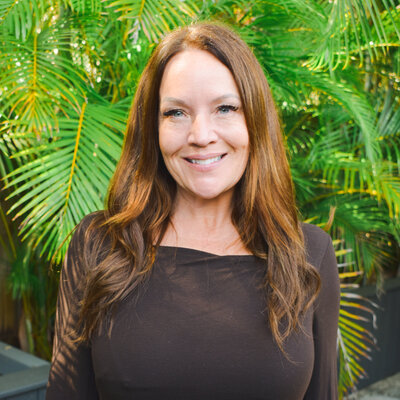
Assessment Specialists


Click below if you're new to The Costello Center
Contact Us About Our Services
click here to email us!
If interested in one of the other services we offer, please select the correct option below:
collaborative cases
Medicine Management
Optimal Assessments/ Psychoeducational Testing
Parent coordination
All other services and Billing
We do our very best to reply to all inquiries within 48 business hours.